
Embedded Cluster v3: Progress Toward GA and What’s Next
At the last RepliCon, Replicated introduced Embedded Cluster v3, a major update to its installer experience.
That release reflected a shift in how applications are delivered into enterprise environments, with a focus on improving installation, upgrades, and visibility into what’s happening during those processes.
In a recent talk, Alex Parker, Staff Product Manager at Replicated, shared an update on the progress toward general availability, what’s changed since that initial release, and what’s coming next.
A Recap of Embedded Cluster v3
Embedded Cluster sits on the more turnkey end of the installation spectrum, allowing vendors to deliver their application and infrastructure together as an appliance into enterprise Linux environments.
It includes host preflight checks that catch issues before installation begins, contributing to over 95% install success rates in the field.
At the same time, the way installation was structured in previous versions introduced limitations in how the experience worked.
Parts of the install experience happened across different interfaces, and orchestration relied on components running inside the cluster, which led to brittleness in some cases.
Embedded Cluster v3 updates this by simplifying how installation and upgrades work, improving visibility, and making the experience easier to follow.
These changes show up across several parts of the install and upgrade experience.
What Changed in Embedded Cluster v3
Embedded Cluster v3 introduces several updates across installation and upgrade workflows.
A Fully UI-Driven Install Experience
In previous versions, the install process was split between the CLI and the UI, with users transitioning into the UI partway through.
In v3, the entire install can take place in the UI, while still supporting headless execution in the CLI. This makes it easier to view preflight failures, rerun checks after resolving issues, and navigate the install process without relying on terminal output.
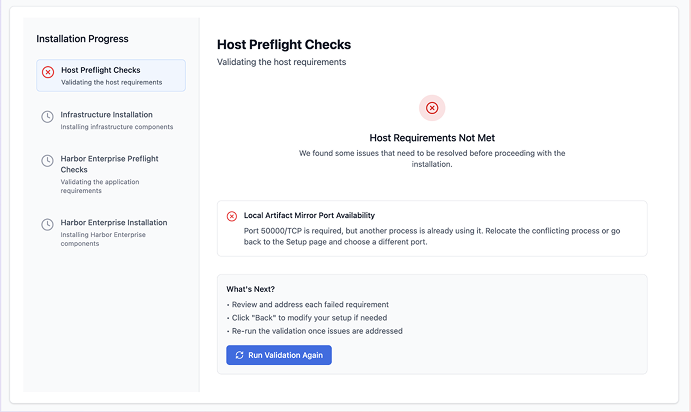
Improved Visibility During Install and Upgrade
Visibility during installation and upgrade has been expanded.
Users can now:
- view logs live in the UI
- see clearer progress indicators
- track which stage of the process is running
At the application level, each Helm chart is shown as it is deployed incrementally, making it easier to understand what is being installed and where the process is at any given time.
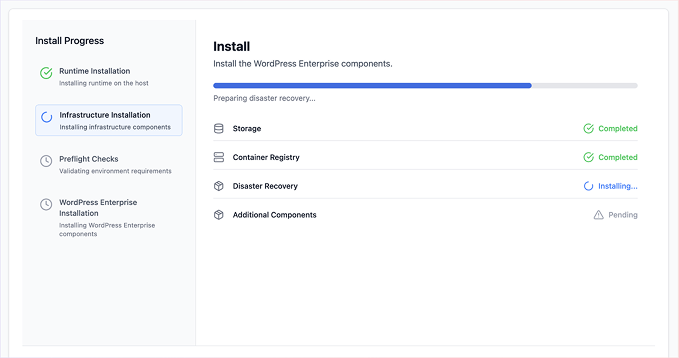
Changes to How Installation Is Orchestrated
Instead of relying on additional infrastructure like object stores or databases, the installer now focuses on deploying Helm charts directly, with state stored either in the cluster or on the host.
More of the orchestration has also been moved out of cluster pods and onto the host, helping avoid issues where processes running inside the cluster could lose connectivity during operations like upgrades.
Updates to the Upgrade Experience
The upgrade process now mirrors the install experience.
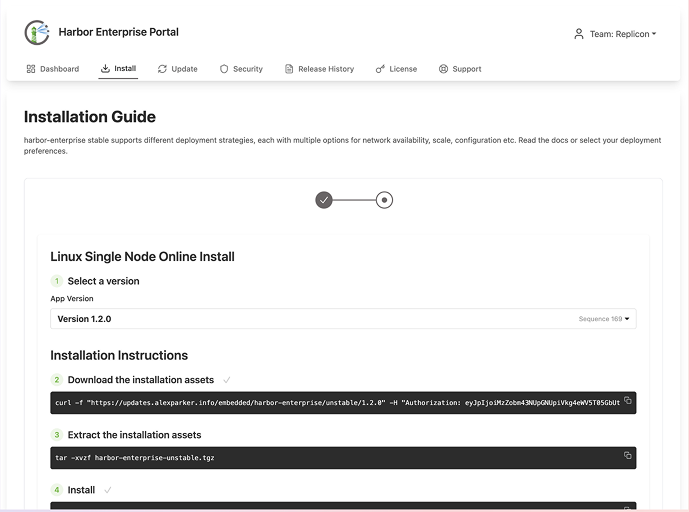
Users go to the Enterprise Portal to discover new versions, download the necessary assets, and run the upgrade through the same UI used for installation.
Because the upgrade process now runs on the host rather than inside the cluster, it avoids issues like losing connectivity during node drains. It also allows host preflight checks to run before upgrades, not just installs.
Multi-Node Support
Since the last RepliCon, multi-node support has been added to Embedded Cluster v3.
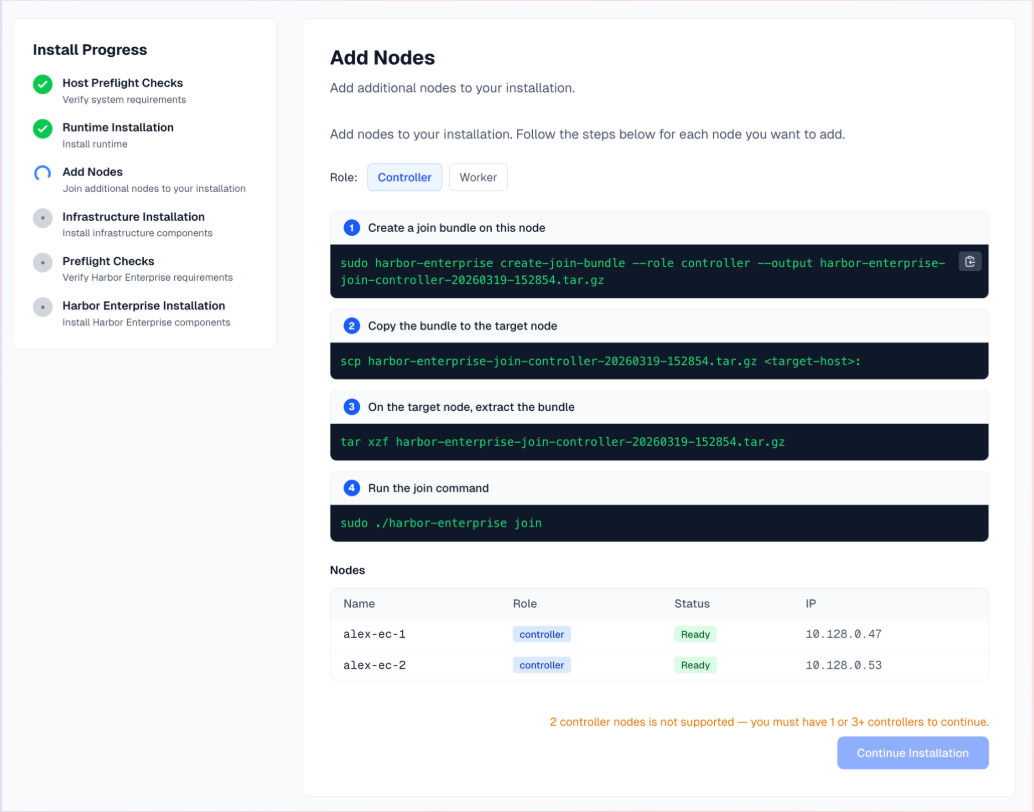
The join process has been updated so that nodes are added earlier in the installation process, before other components are deployed. This avoids scenarios where infrastructure would need to be reconfigured after additional nodes are introduced.
The process now runs more of its orchestration on the host rather than inside the cluster.
The installer also enforces certain cluster configurations. For example, it prevents users from proceeding with an even number of controller nodes, guiding them toward setups that align with Kubernetes best practices.
Alex also noted that this mechanism could be extended to allow vendors to define their own expected cluster configurations, ensuring customers complete installs with the intended setup.
Progress Toward GA
Embedded Cluster v3 is in beta, with general availability to follow based on customer feedback and adoption.
As part of this process, the team is working through customer requests and feedback. Alex noted that the new architecture has made it easier to implement features that were previously difficult or infeasible, and that the team plans to work through a backlog of requests as customers begin adopting v3.
What’s Next
Several areas of investment are planned as Embedded Cluster v3 continues to evolve.
Guided Cluster Configuration
The installer will support a more structured cluster setup, allowing vendors to define required roles and node configurations so that customers cannot proceed without completing a valid setup.
Headless Installs and Upgrades
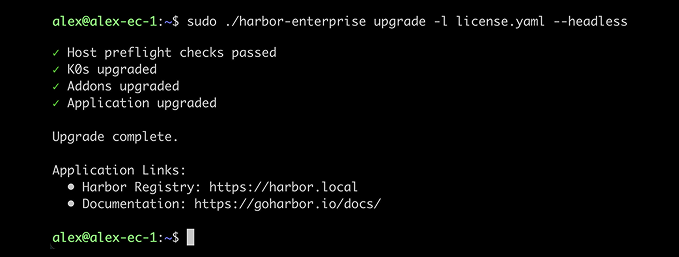
Headless installs and upgrades are already supported for single-node environments, with plans to extend this to multi-node workflows. This enables use cases like testing installs and upgrades in CI environments.
Custom Branding
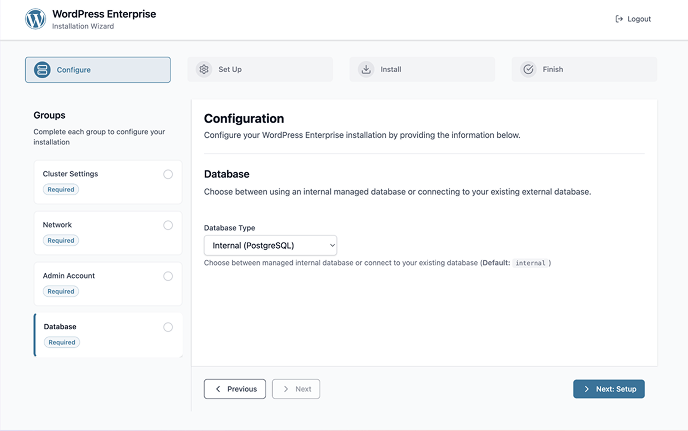
The updated UI makes it easier to apply custom branding, allowing the installer experience to match a vendor’s design system.
Expanded Installation Targets
The installer is expected to expand beyond embedded clusters to support:
- Helm-based installs
- installs into existing Kubernetes clusters
In these cases, the same configuration experience could be used to generate Helm values or deploy into an existing cluster.
Broader Environment Support
Additional areas of focus include:
- ARM support
- improved support for hardened operating systems (such as STIG and CIS environments)
Migration from Existing Installers
Replicated is also exploring migration paths from:
- kURL-based installs
- KOTS-based installations
The goal is to allow these transitions to happen through a process that resembles a standard upgrade, preserving data and minimizing disruption.
A More Flexible Foundation for Installation and Upgrades
Embedded Cluster v3 updates how installation and upgrades are structured, with more of the process running on the host, improved visibility throughout, and a more consistent experience between install and upgrade.
These changes make it easier to support new workflows, environments, and customer requirements.
As Embedded Cluster v3 approaches beta, Replicated is working with early adopters to test the installer and gather feedback.
Customers who participate can work directly with the team to validate their use cases and prioritize feature requests as part of the rollout.